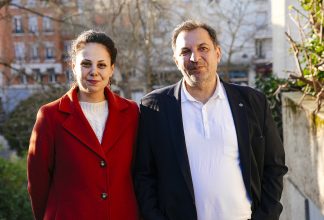
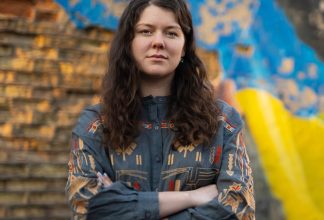
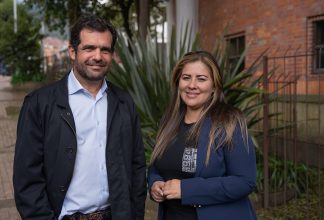
Civil Rights Defender of the Year Award 2026 – the news outlets Netgazeti and La Hora de Cuba
Two news platforms that refuse to be silenced
At some newsrooms, the day begins by opening emails. At others, it begins by mapping risks. This is everyday reality for the independent news platforms Netgazeti in Georgia and La Hora de Cuba in Cuba, which this year are awarded the Civil Rights Defender of the Year Award 2026. For them, independent journalism means taking daily risks in environments where those in power respond to scrutiny with threats, harassment and prison sentences. Yet they continue to report. Every day.
“Independent media are often among the first targets when governments become more authoritarian. Yet the Georgian and Cuban news platforms, Netgazeti and La Hora de Cuba, have refused to be silenced. Despite threats, imprisonment and repression, both news platforms continue their work with integrity and determination. Through courageous journalism, they expose abuses of power, document human rights violations and ensure that people have access to independent information that is essential for holding those in power to account.
For their exceptional resilience and courage in defence of freedom of expression, free and independent journalism and democracy, Netgazeti and La Hora de Cuba are awarded the Civil Rights Defender of the Year Award 2026,” says the Board of Civil Rights Defenders in its motivation for the prize.
When censorship becomes the tool
This year, the award is given to two recipients to highlight a global pattern: even where political systems differ, independent media are being pressured, discredited and punished. Globally, media censorship remains a primary tool as countries become more authoritarian. According to the V-Dem Democracy Report, it is used in two out of three countries currently undergoing autocratisation. The consequences are brutal. In 2025, 67 journalists were killed because of their work, 503 were imprisoned, and 135 remain missing across 37 countries, according to a report from Reporters Without Borders.
Despite serious risks, Netgazeti and La Hora de Cuba continue their work. They expose abuses of power, document violations, and defend the right to information needed to hold decision‑makers accountable.
Georgia: “You go to work with a sense of catastrophe”
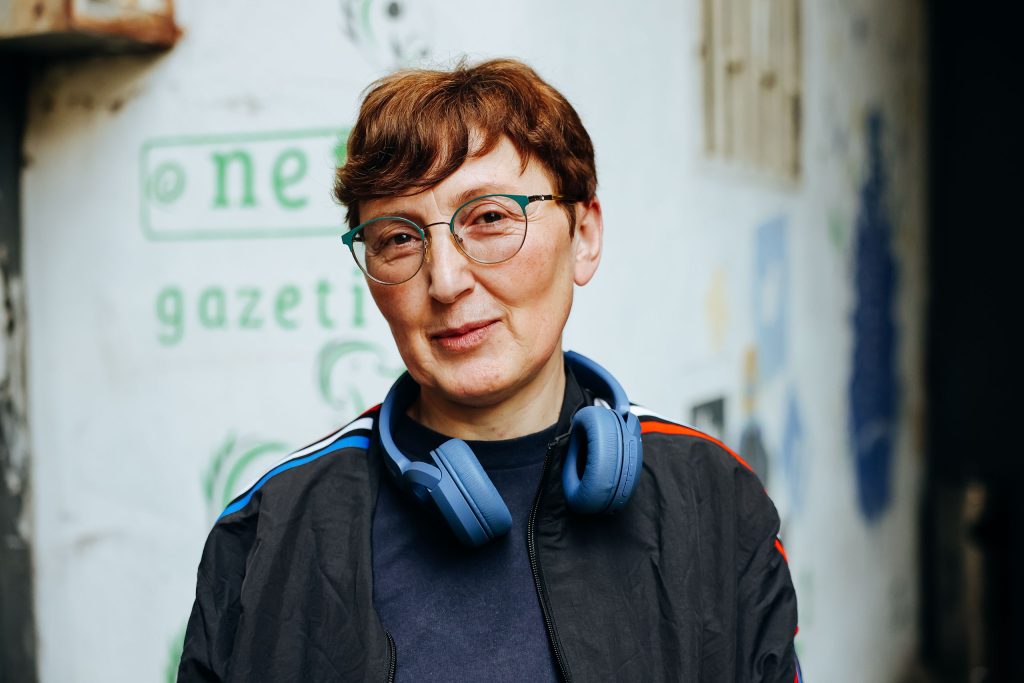
In Georgia, the media have long worked against the odds. Since the collapse of the Soviet Union, independent journalism has been a central part of the fight for press freedom. The space for free media has shrunk rapidly. New laws restrict freedom of expression. Journalists are attacked openly, often without consequences for those responsible.
At the centre of this stands Netgazeti, one of the country’s leading and most influential independent news platforms. The news platform reports on corruption, abuses of power and human rights violations, even as the cost for its journalists continues to rise. Nestan Testskhladze, Editor in Chief at Netgazeti, says:
“You go to work with a sense of catastrophe. You don’t know what awaits you.”
Reporting despite imprisonment and surveillance
The founder is in prison. Colleagues are threatened, prosecuted and surveilled. For an editor, the responsibility is heavy. Especially when the editorial team itself is at risk. When colleagues are deprived of their liberty and the rule of law fails. Yet the articles keep being published, day after day.
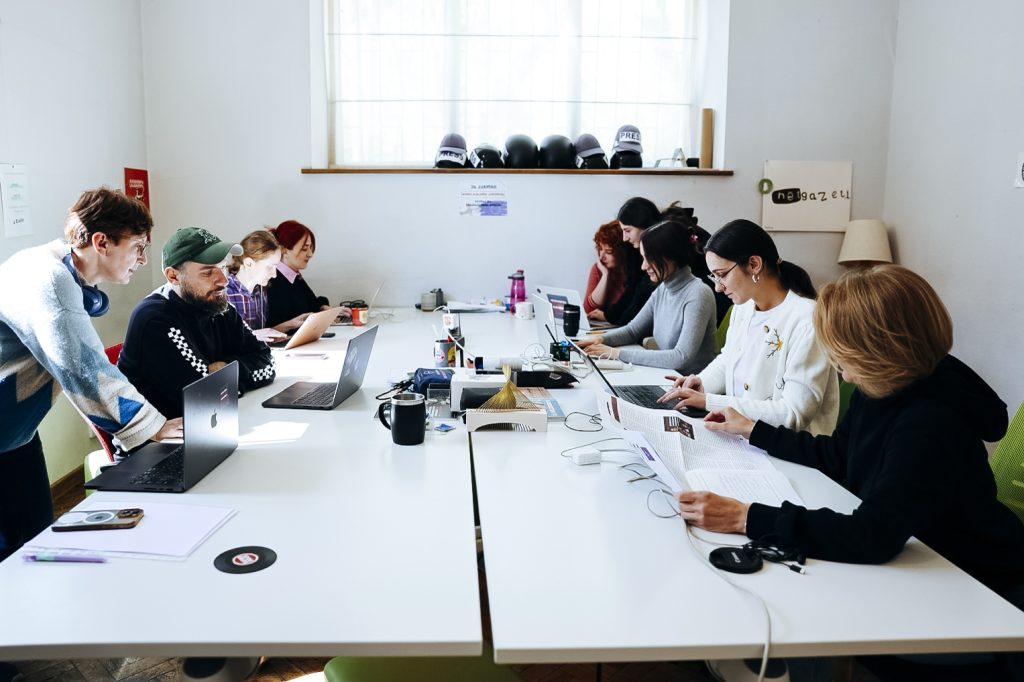
For the Netgazeti news platform, journalism is about responsibility. About journalistic principles such as fast, fact-based and investigative reporting on politics, human rights and social justice. About ensuring that people receive information that would otherwise not reach them. About documenting what those in power would prefer to hide.
When resources are limited and risks are high, the editorial team is forced to make difficult choices. Not everything can be covered. But silence is never an option.
“We have to choose what not to report on. That may be the hardest part.”
The situation in Georgia has deteriorated rapidly, faster than many have been able to grasp. Journalists work in a daily reality where threats can come from many directions and where attacks against journalists risk going unpunished. Yet for those at Netgazeti, it is about continuing to report, even when the legal system is used to silence independent voices.
Cuba: “A survival exercise” and a collective that holds together
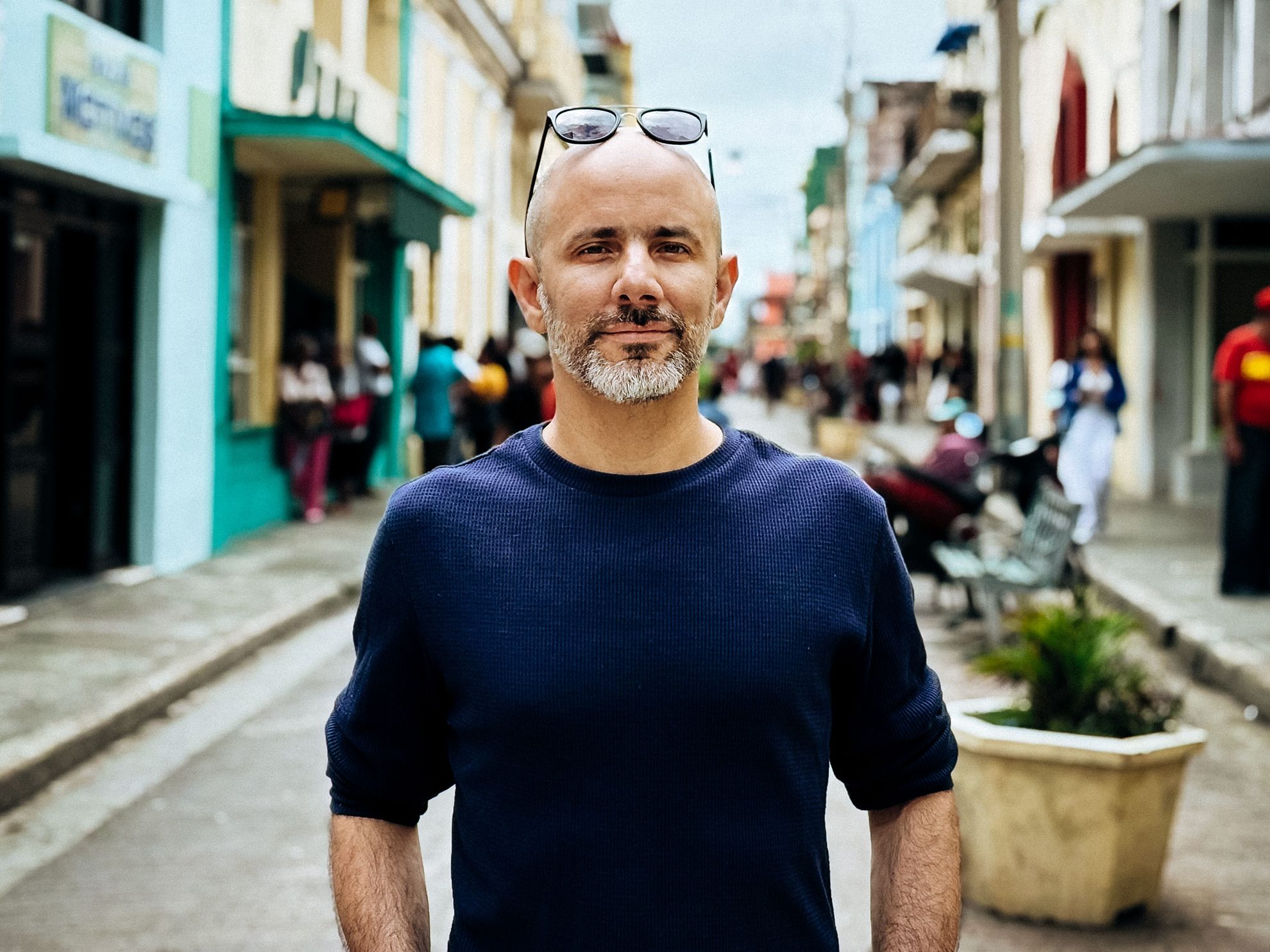
In Cuba, conditions are different, but the pattern is familiar. The news platform La Hora de Cuba operates in one of the world’s most closed media environments. Independent journalism is, in practice, criminalised. Despite this, the news platform works from within the island, embedded in the reality they report on. They document arbitrary arrests, political trials, and how repression permeates everyday life. Stories that state media do not tell.
Being a journalist in Cuba means surviving within a system that demands conformity, deception, and the portrayal of the authorities’ version of reality instead of the country’s. Henry Constantin, Editor‑in‑Chief of La Hora de Cuba, describes the work as a matter of survival:
“It’s not really a job, but rather a survival exercise.”
Working under these conditions is exhausting. For the editorial team, plans that appear stable in the morning can fall apart an hour later. A power cut. A protest breaking out elsewhere in the country. Or a complete lack of internet, making coordination impossible. Different parts of the editorial team then work at their own pace, with the conditions available to them at that moment.
A collective that refuses to be erased
For more than a decade, hundreds of people have contributed to La Hora de Cuba’s work: journalists, artists, and photographers. Many have been forced to stop after arrests, interrogations, or threats against their families. Others have left the country. Some remain.
Henry Constantin has been imprisoned several times because of his work. In January 2026 alone, he had already been detained and released twice.
“I can wake up and barely have taken a few steps outside the door before a patrol waiting for me appears.”
La Hora de Cuba also reports on events they themselves are drawn into. More than half of the editorial team and leadership were out on the streets on 11 July 2021, during the largest nationwide protests in Cuba in 60 years. Many were arrested and ended up in the same cells as protesters.
Despite this, publishing continues. Not because it is safe, but because it is necessary.
“Outside Cuba, there is the image of beaches and revolutionary symbols. But here we live with political prisoners, people dying from lack of medicine, a population living in poverty, and people leaving the country or desperately trying to do so. That is the reality we try to tell. Receiving the award brings visibility and responsibility. It gives strength to continue and reminds us of what is at stake,” says Henry Constantin.
Someone is always reading, even when it is dangerous
Netgazeti and La Hora de Cuba do more than report. They scrutinise those in power and make information accessible to people whose daily lives are affected by it. When independent media are silenced, abuses become easier to hide. Accountability becomes easier to avoid. That is why news platforms like Netgazeti and La Hora de Cuba become targets.
And there is always someone on the other side. A person trying to understand why a neighbour disappeared after an interrogation. Someone scrolling on a phone with an unstable connection, yet still finding a story the authorities do not want seen. Someone who needs to be able to say, “This happened”, and have something to rely on.
La Hora de Cuba works to spread its content through social media platforms to reach more people on the island, and Netgazeti continues to provide its audience with independent reporting in an increasingly hostile environment.
“Sometimes you doubt whether it’s worth it. Then you are reminded that what you do matters. For people.”
The award will be presented at a ceremony in Stockholm on 18 May.
About the Civil Rights Defender of the Year Award
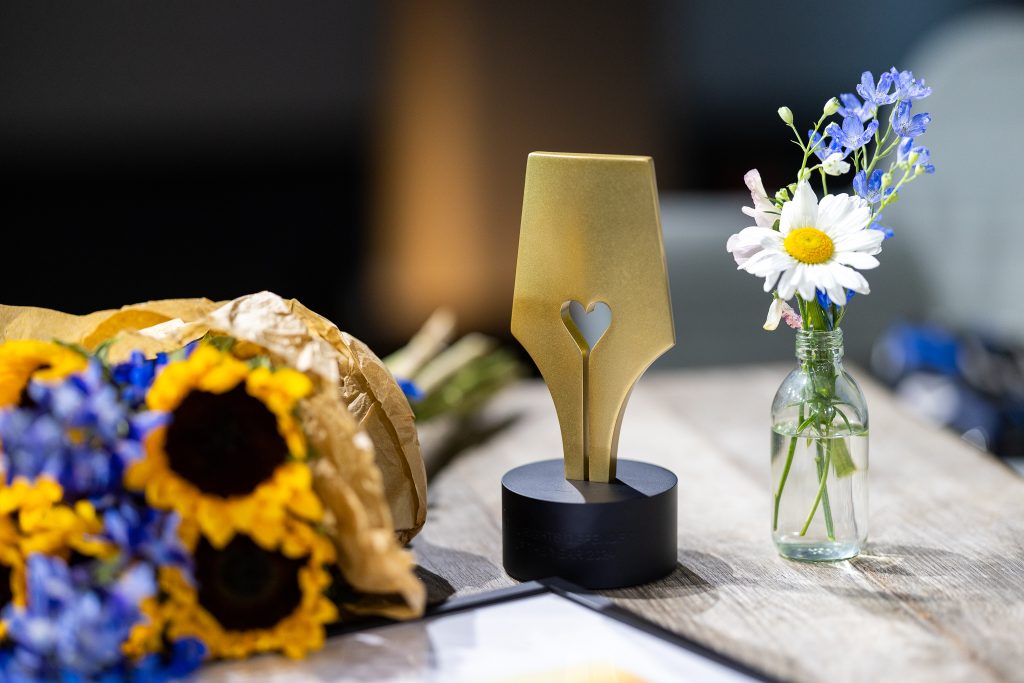
Since 2013, Civil Rights Defenders has awarded the Civil Rights Defender of the Year Award each year to human rights defenders or organisations who, despite risks to their own safety, continue to fight for human rights to be recognised and respected.
The award highlights the situation of human rights defenders at risk. The individual or organisation receiving the award must carry out their work using peaceful methods.
Read our FAQ about the award here.