Votes and Violence: Serbia’s Local Elections Expose a System Under Pressure
The latest local elections in Serbia have offered a revealing snapshot of the country’s democratic landscape. What should have been a routine exercise in local governance instead exposed systemic pressure, violence and institutional failures, raising serious concerns ahead of any future national vote.
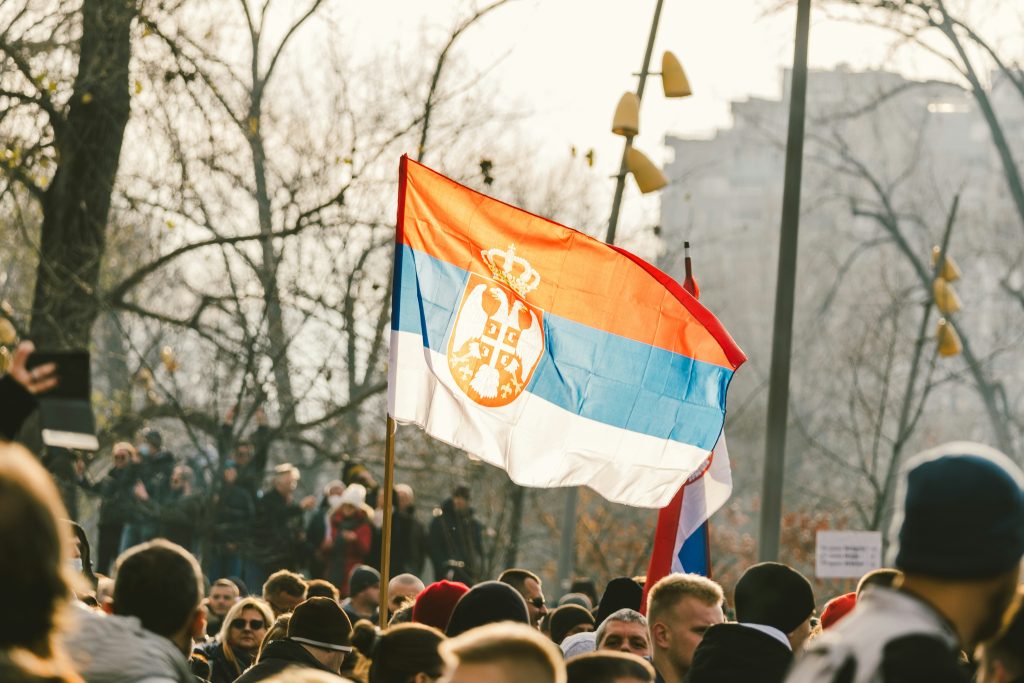
Local elections held across 10 municipalities in Serbia on 29 March were widely seen as an important democratic test ahead of potential national elections. While local in scope, these elections represent a fundamental expression of citizens’ willingness to participate in democratic processes and shape governance at all levels. These elections came after more than a year of nationwide protests against corruption, impunity and declining trust in public institutions.
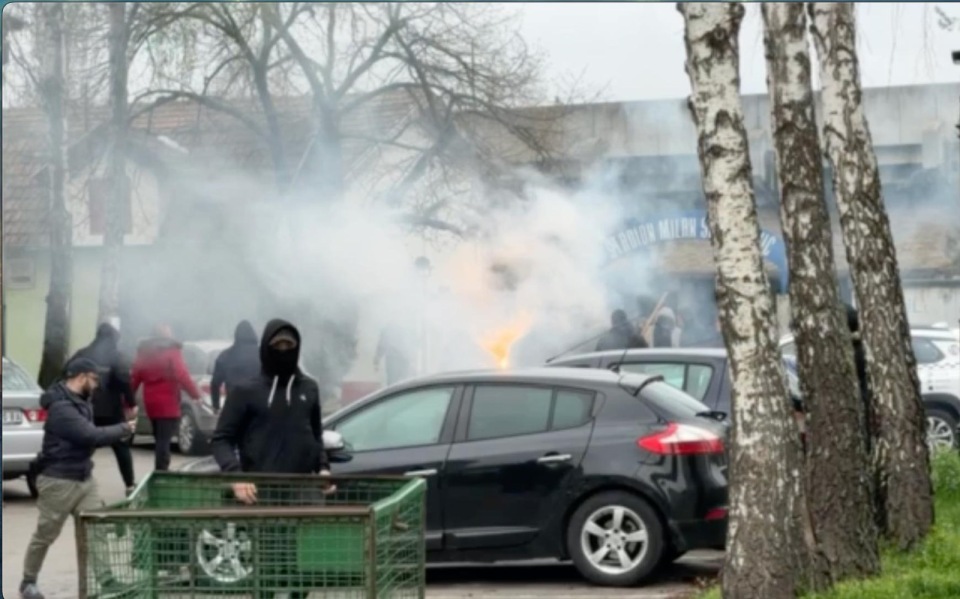
Instead of signalling progress, the elections were marred by violence, intimidation and serious procedural irregularities. According to CRTA and other monitoring groups, observers recorded incidents ranging from attacks on journalists and student activists to reports of vote-buying, misuse of public resources and unusual changes to voter lists.
Human rights defenders and journalists among those targeted
Masked individuals were filmed in several municipalities, including Kula, Bor and Bajina Bašta, where they intimidated and assaulted observers, journalists and citizens. The role of law enforcement paints an alarming picture. Reports indicate that in some cases police responses were delayed or completely lacking, raising concerns about the effectiveness and impartiality of law enforcement. Such developments directly undermine not only electoral integrity but also broader democratic stability, as the ability of citizens to participate freely and safely is a cornerstone of any functioning democracy.

Human rights defenders were among those targeted, and even the pre-election period saw threats against activists, pressure on public and private employees, and an uneven campaign environment due to extensive use of state resources by high-ranking officials. On election day, in Bajina Bašta, a journalist was physically assaulted and sprayed with pepper spray. In Bor, a CRTA observer suffered a head injury during an attack. Among those severly attacked were Lazar Dinić, who was reporting as a journalist, and Ivan Bjelić, a journalist of Revolt, while documenting developments.
Students closing the gaps
Despite these conditions, the elections also revealed a counter-trend. Student-backed and grassroots actors, operating with minimal resources, contributed to more competitive electoral dynamics in several municipalities. In most places, opposition actors narrowed margins even in traditionally dominant strongholds, pointing to a shift in political support usually given to the ruling party. This demonstrates that, despite pressure and irregularities, citizens continue to seek democratic avenues to express political will and influence decision-making.
What is clear is that democratic processes in Serbia remain under significant pressure. These elections serve as a reminder that stronger safeguards, independent institutions and accountability mechanisms are essential, particularly in the context of any future national elections. At the same time, they reaffirm that citizen participation, even at the local level, remains a critical pillar of democratic stability in Serbia.