Hungary shows that change is possible
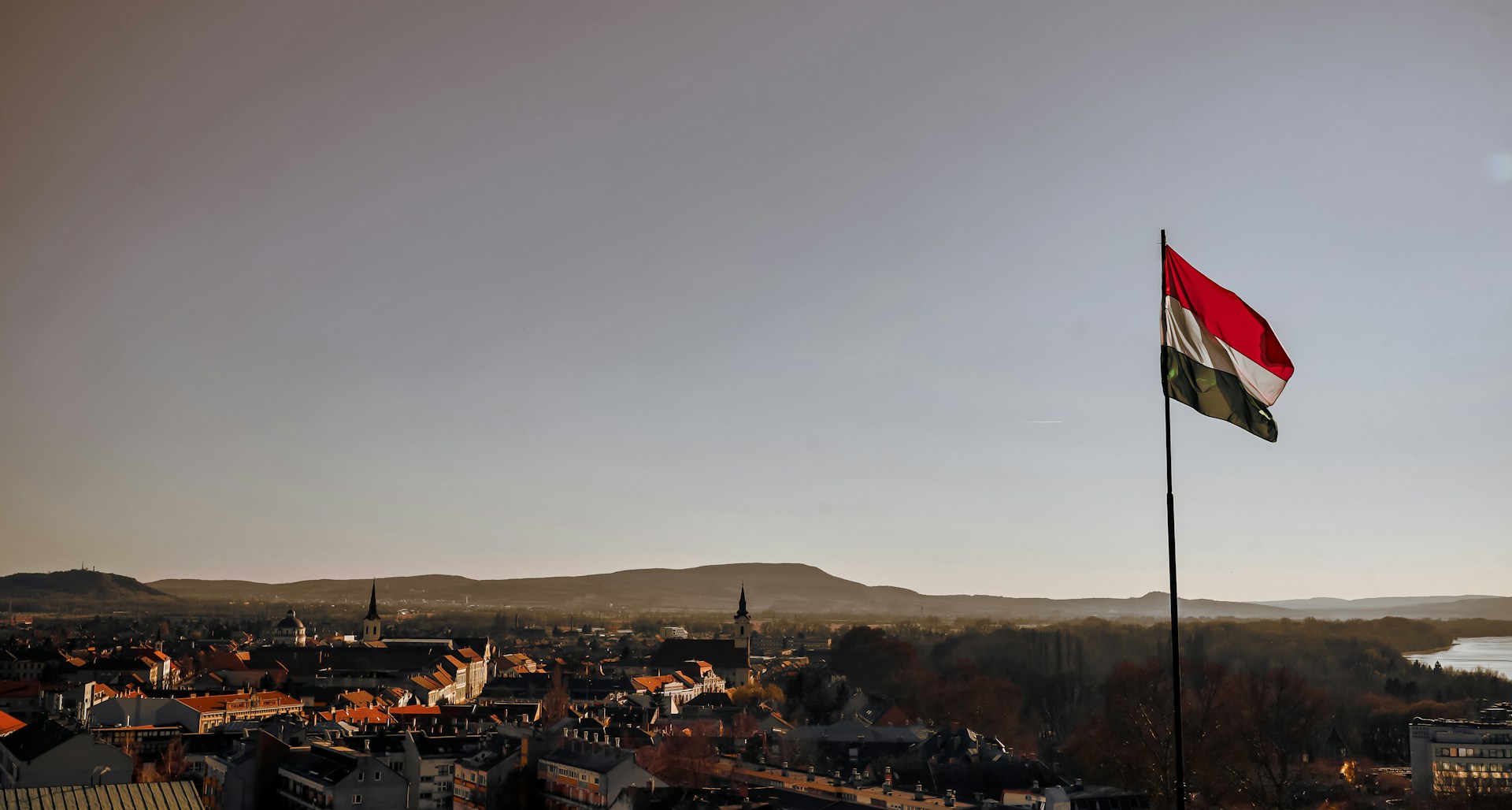
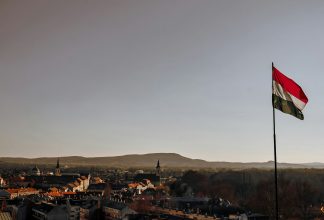
After 16 years in power, Viktor Orbán’s rule in Hungary has come to an end. In this weekend’s election, a majority of voters chose change despite a political landscape in which power had been concentrated, critical voices pushed aside, and fundamental democratic principles weakened step by step.
For a long time, daily life in Hungary has been shaped by limited access to free and independent information, political control over key institutions, and a shrinking space for civil society. Organising resistance has often carried real risks, and many have described how fear and resignation increasingly took hold. And yet people went to the polls and voted for change.
Civil society’s role was decisive
Through years of tightening political control, journalists, organisations, and activists continued to scrutinise those in power, document rights violations, and raise questions about democracy, corruption, and human rights. They built public opinion where space was minimal, and hope had long seemed lost.
The election result would not have been possible without a resilient civil society. Their work shows that resistance does not disappear simply because the space grows smaller.
Responsibility for democracy’s future
A change of power does not in itself represent a democratic turnaround. It is now up to the new government to demonstrate whether it is prepared to take responsibility for strengthening the rule of law and respect for human rights. Here are five steps that are critical to reversing the country’s direction:
1. Make the courts independent again
The rule of law requires judicial institutions free from political direction. Under Orbán, the independence of the courts was steadily eroded through political appointments and pressure.
2. Relinquish control over the media
There are no free elections or genuine democracy without a free press. Orbán’s government brought large parts of the media under political control and silenced critical voices.
3. Lift the Pride ban and stand up for equal rights for everyone
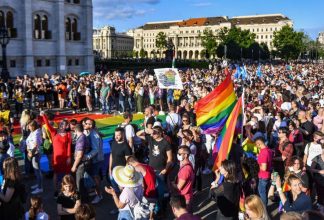
Peaceful protest and equal treatment are human rights. Under Orbán, Pride was banned and information about LGBTQI+ people restricted by law.
4. Let civil society and academia work freely
Organisations, researchers, and students must not be silenced through threats or legislation. Civil society, academics, and universities previously faced repressive laws, harassment, and political interference.
5. Ensure that elections are free and fair
Power must be earned through trust, not rigged rules. Elections were held, but the rules were skewed heavily in favour of the governing party.
A hope that reaches beyond Hungary
Democracies erode step by step. They are also rebuilt step by step.
The Hungarian people are showing that change is possible. That gives hope to everyone fighting for the rule of law and democracy around the world — and it is proof that it can be done.
Make a donation today and support all the brave human rights defenders who are fighting.
Support brave human rights defenders